


Special Needs Planning in Galveston
Coordinate Long-Term Planning for a Loved One with a Disability
Special needs planning brings trusts, property transfers, legal-authority documents, and practical care guidance together around one person’s circumstances. At The Law Offices and Mediation Center of Susan M. Edmonson, we create personalized plans for estates of all sizes and review assets to determine which trust approach may fit each client’s needs.
Our small law firm provides focused legal service backed by more than seven decades of combined legal experience. We help families plan for a child or adult relative with a disability while keeping the broader plan and its long-term purpose in view.
Discuss special needs planning in Galveston with our estate-planning lawyers. Call (409) 239-0100 to arrange a consultation.
Types of Special Needs Trusts
A special needs trust, also called a supplemental needs trust, holds assets for a person with a disability under terms intended to keep those assets from being treated as available resources for Supplemental Security Income or Medicaid eligibility. The trust must be structured and administered according to the applicable program requirements. The appropriate form depends in part on who owns the assets used to fund it.
Common trust structures include:
- First-party special needs trust: This trust contains assets belonging to the beneficiary. Under generally applicable requirements, it must include a provision for Medicaid repayment from funds remaining when the beneficiary dies.
- Third-party special needs trust: This trust is funded with assets belonging to someone other than the beneficiary. Under Texas trust requirements, it doesn’t carry the age restriction or Medicaid repayment requirement associated with a first-party trust.
- Pooled trust: This irrevocable trust is managed by a nonprofit association. The organization pools funds for management purposes while maintaining a separate account for each beneficiary.
Selecting a trust requires careful consideration of asset ownership, the beneficiary’s circumstances, the funding plan, and the terms of the broader plan.
Special Needs Trust Distributions & Public Benefits
A qualifying special needs trust is designed to supplement rather than replace needs-based public benefits. Assets properly held by the trust generally aren’t counted as resources available to the beneficiary for Medicaid or Supplemental Security Income eligibility. That treatment depends on compliance with the governing trust and benefit rules.
Trustees must pay close attention to distributions. Whether a payment affects eligibility can depend on the benefit program and the nature of the expense. Careful administration helps preserve the planning structure after the documents are signed and the trust is funded.
Coordinating Trusts with the Broader Plan
A special needs trust should align with provisions for property, care, and legal authority. We help clients determine how property should transfer and select the appropriate people to carry out their wishes. A plan usually begins with a will and may also include a revocable living trust.
Our services include financial powers of attorney, medical powers of attorney, and living wills. These documents identify who can handle designated financial or health matters and communicate the client’s wishes. Coordinating them can reduce conflicts between trust provisions and the rest of the plan.
Care Guidance for Future Trustees & Caregivers
A letter of intent can record practical information that may not belong in the trust itself. Families may use it to describe the beneficiary’s routines, care preferences, service providers, and other details future caregivers or trustees should understand. Because circumstances change, this guidance can be reviewed separately from the controlling legal documents.
ABLE Accounts
An ABLE account and a special needs trust are separate planning tools. Depending on the individual’s circumstances and current program rules, they may work together in a coordinated plan. Eligibility, contribution, and benefit-treatment requirements should be checked before relying on an account for a particular purpose.
Legal Authority When a Child Turns 18
Reaching age 18 changes who has legal authority to act, even when a young adult has a disability. Guardianship is one possible response, but it isn’t appropriate in every situation. Texas courts must consider whether less restrictive alternatives can meet an applicant’s needs before granting guardianship.
Texas Estates Code Chapter 1357 recognizes supported decision-making agreements as one alternative. Under this arrangement, an adult with a disability chooses a trusted supporter to clarify available options and communicate the adult’s choices. The supporter can assist with the process but can’t decide for the adult.
The appropriate approach depends on the person’s abilities, support needs, and circumstances. Considering legal authority alongside estate documents allows a family to evaluate related issues as one coordinated plan rather than as isolated questions.
Our Special Needs Planning Process in Galveston
We begin by identifying the client’s goals, reviewing assets, and discussing how property should pass to loved ones. This review helps us determine which trust may be appropriate and who should carry out the client’s wishes. It also provides context for deciding whether the plan should include a will, a revocable living trust, or other documents.
The source of trust assets, the beneficiary’s public benefits, and the people available to serve in responsible roles can shape the documents. We work closely with individuals and families to build plans around their priorities rather than treating the trust as a stand-alone form.
Build a Coordinated Plan for Your Family
We provide personalized legal service for families who want their property-transfer documents, arrangements for legal authority, and trust strategy considered together. Our contact form offers another way to reach our team.
Call (409) 239-0100 to discuss special needs planning in Galveston and the next steps for your family.


Meet Our Team
Over Seven Decades of Combined Legal Experience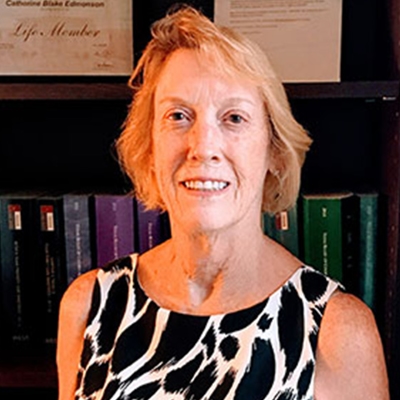
.png "Catherine B. Edmonson Photo")

-
I would highly recommend them.
- Rufus H. -
I would 100% recommend!
- Skyler S. -
Great legal team!
- Neel S. -
From the kind faces at the front desk to Susan’s incredible competence and knowledge of the law, every minute of my experience working with this firm was exceptional.
- Victoria L. -
Edmonson Law Offices have always done great work with our wills, estate work, power of attorney's and realestate work. Thanks to them we've been able to get numerous difficult matters settled. Thanks Edmonson Law.
- David G.